
Bordeaux Primeurs 2018
Limestone makes all the difference for Bordeaux Primeurs 2018!
From that moment on, and until the harvest, the days would be as dry as they were scorching. This resulted in an immediate soil drought, leading to extremely rapid ripening and compensation for the delay in flowering through a quick and uniform veraison. The nights remained cool, with temperature differences further favoring the ratio between pulp and skin thanks to water stress. From all this agitation came a serene harvest period, with each estate having the luxury of choosing the days based on the ripening of the plots. This flexible and unhurried harvest produced very ripe and healthy grapes. Many Bordeaux châteaux were relieved to have finally obtained not only great quality for their 2018 Primeur wines but also quantities (though not everywhere) comparable to those of 2010 and 2016. The Merlots have quite a high alcohol content, but with beautiful freshness nonetheless. The Cabernet Sauvignon berries harvested are small but deliciously sweet and concentrated in tannins. The Cabernet Francs are seductive, fine, and balanced. The seeds are very dark, almost black, giving the wines a lovely deep color. The reds are generally silky, full of small black and red fruits (blackcurrant, redcurrant, raspberry) that burst in the mouth, making you want to go back for more.
All things considered, the biggest problem for Bordeaux Primeurs 2018 was a few episodes of hail that destroyed parts of the harvest, striking randomly and fiercely. Among the intact parcels, those resting on limestone and/or clay subsoils, as is the case for most properties on the Right Bank, were able to take advantage of the moisture stored during spring to withstand the scorching days of August and September. The result is an exceptional freshness despite the drought, along with very ripe fruit. Many critics (including James Suckling) already agree in declaring the 2018 vintage to be a great year.
The 2018 Bordeaux Primeurs in various appellations
On the Left Bank first, in Margaux, it was a great success. However, there is heterogeneity due to the drier sandy-gravel soils that struggled more. Some wines, like Château Pouget, have a lot of fruit, freshness, and an almost creamy texture already. On the other hand, biodynamic properties such as Château Palmer or Château Pontet-Canet saw their yields seriously affected by mildew, with only 11 hectoliters/ha for the latter during the 2018 Primeurs.
The northern Médoc is rather homogeneous in terms of limestone soils. The south was less fortunate, as the hailstorm of July 15th hit some properties, destroying part of their harvest. Château La Lagune lost its entire crop and will not produce wine in 2018.
In Pessac-Léognan, and especially in Pessac, the warmer areas suffered more than the cooler ones near the forested area (Domaine de Chevalier). Moreover, the hailstorm on May 26th was tough for some, abruptly halting flowering. That said, there are, as in Margaux, some great successes. As for the whites, they are ripe, leaning toward exotic fruits thanks to the summer heat. They are round, ample, but still light.
Saint-Estèphe, considered the coolest area on the Left Bank, produced a very promising vintage.
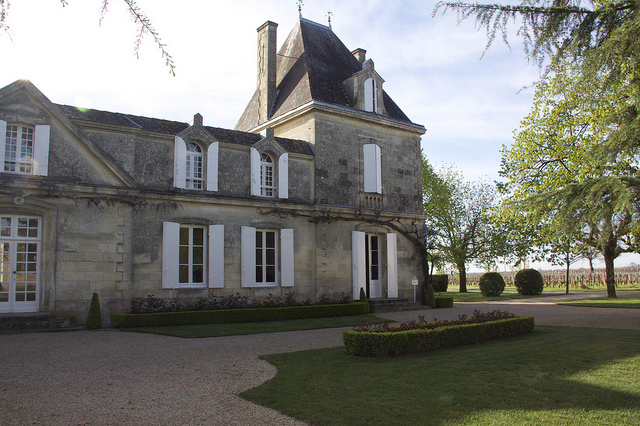
Pauillac, although poorer in limestone, has clay subsoils that provide water to the vine during the intense heat. The result is a velvety and aromatic wine. However, quantities may be an issue.
Saint-Julien, with its diverse soils, managed to do well, thanks to either limestone or clay.
In Graves, as elsewhere, the limestone soils produced an excellent vintage.
In the Sauternais, the botrytis arrived a bit late due to the summer heat and soil dehydration. The fungus appeared in mid-October, pushing the harvest to the end of the month. The 2018 vintage will have candied and tart notes. Balanced, fine, and light, these sweet wines are extremely pleasant on the palate.
On the other side of the Garonne, limestone reigns supreme. 2018 is definitely the vintage for some Right Bank châteaux. Around Saint-Emilion, on the hills where the soils are clay-limestone, the Merlots offer the best of their juicy flesh and pleasant tannins. Their sometimes overly rich alcohol content is offset here by the low pH induced by these dry soils. Cabernet Franc is not left behind either. In Saint-Emilion itself, the diversity of soils is too complex to summarize in a line; each château had its ups and downs or miracles.
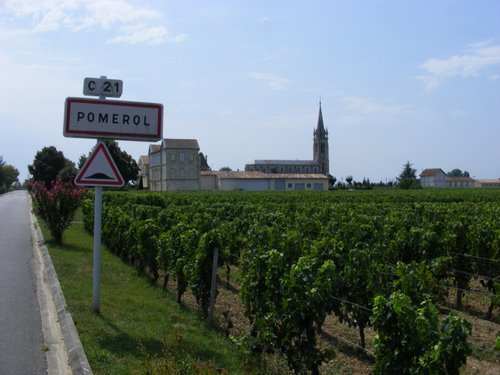
In Pomerol, too, it was the clayey areas that allowed for more regular vine hydration, while other properties experienced ripening blockages. But overall, Pomerol succeeded in its vintage.
The 2018 Bordeaux Primeur vintage is a typical "Bordeaux": fresh, soft, balanced. With its very ripe fruits, it remains floral, tense, and will age well. After the anxiety and survival measures, the harvest was saved, and the result is unexpected, exceeding expectations. Quantities are sometimes reduced, but overall there are great successes


